
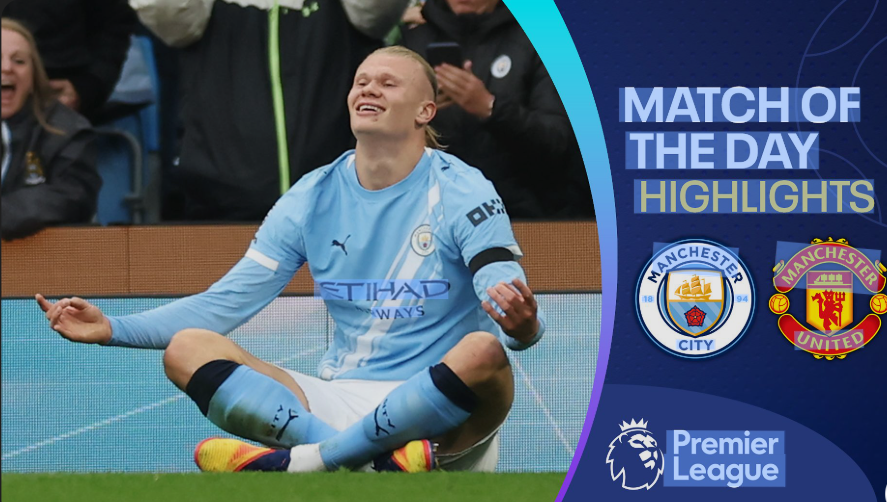
Few fixtures in world football carry the weight, narrative, and tactical intrigue of the Manchester Derby. When Manchester United host Manchester City in Premier League Week 21, it is not just a clash of neighbours — it is a collision of contrasting football philosophies, squad-building models, and managerial ideologies.
For FulltimePredict readers, this match matters not only emotionally but strategically: derby games often defy form lines, expose tactical weaknesses, and create high-value betting angles when analysed deeply.
This article goes far beyond surface-level previews. We break down:
-
Tactical systems & in-game patterns
-
Pressing triggers & build-up weaknesses
-
Key player matchups
-
Psychological & situational factors
-
Data-driven goal trends
-
Smart betting insights (not tips, but logic)
Match Details
-
Fixture: Manchester United vs Manchester City
-
Competition: English Premier League
-
Matchday: Week 21
-
Venue: Old Trafford
-
Kick-off: Premier League scheduled slot
Current Context: Where Both Teams Stand
Manchester United – Searching for Identity
Manchester United enter this derby in a transition phase. Results have fluctuated, but underlying metrics show a team attempting to evolve tactically rather than relying solely on individual moments.
Key trends:
-
Defensive structure improved in deeper blocks
-
Struggles against high-pressing elite teams
-
Reliance on transitions rather than sustained possession
-
Inconsistency in midfield control
United’s biggest issue remains game control against top sides — something that City specialise in exploiting.
Manchester City – Machine-Like Consistency
Manchester City remain the benchmark for positional play in England. Even when performances look “quiet,” their control metrics (xG control, possession value, territorial dominance) stay elite.
Key trends:
-
Controlled pressing rather than aggressive chaos
-
Flexible in-game shape shifts (3-2-4-1 → 2-3-5)
-
Ruthless exploitation of half-spaces
-
Mental edge in big matches
City don’t just win games — they suffocate opponents.
Head-to-Head Narrative: Why Form Often Lies in Derbies
Recent derbies have proven one thing:
👉 Manchester United often perform above baseline against City, especially at Old Trafford.
Important patterns:
-
United more compact defensively in derbies
-
City dominate possession but can be vulnerable in transition
-
Goals often arrive after tactical adjustments, not early chaos
-
Second halves historically more open than first halves
This makes in-play tactical reading extremely important.
Tactical Systems Overview
Manchester United Expected Shape
Base system: 4-2-3-1 (defensive) → 4-4-2 (mid-block)
Key characteristics:
-
Double pivot protecting centre-backs
-
Wingers track back aggressively
-
Full-backs conservative early
-
Attacks funnelled through transitions
United’s goal is not to dominate the ball — it’s to break City’s structure when City over-commit.
Manchester City Expected Shape
Base system: 3-2-4-1 in possession
Defensive shape: 4-1-4-1
Key characteristics:
-
Inverted full-backs controlling midfield zones
-
Overloads in half-spaces
-
High defensive line with rest-defence structure
-
Constant positional rotations to pull markers out
City aim to pin United deep, forcing defensive errors.
Original Tactical Analysis: Where This Game Will Be Won or Lost
1. United’s Mid-Block vs City’s Half-Space Occupation
City do not attack wide in the traditional sense. Instead, they:
-
Pull United’s wingers inward
-
Create overloads between full-back and centre-back
-
Force midfielders to choose between stepping out or holding shape
If United’s midfield steps too aggressively, City’s third-man runs become deadly.
📌 Key tactical risk for United: Losing vertical compactness.
2. Transition Threat: United’s Best Weapon
City’s biggest vulnerability is not defensive quality — it’s transition exposure after sustained pressure.
United can exploit:
-
High City defensive line
-
Aggressive midfield positioning
-
Overlapping rotations leaving space behind
Expect United to target:
-
Early vertical passes
-
Diagonal runs from wide areas
-
Set-piece second balls
3. Pressing Triggers: City Will Target United’s Build-Up
City’s press is selective, not constant. They press when:
-
United full-backs receive facing their own goal
-
Central defenders hesitate on the ball
-
Midfielders receive under pressure on the half-turn
This often forces United into long balls — reducing possession retention.
4. Game State Matters More Than First Goals
Statistically and tactically:
-
If City score first → control intensifies
-
If United score first → City commit numbers forward
-
Second-half tactical shifts historically decide derbies
📌 Live-betting logic: Watch first 20–25 minutes before committing.
Key Individual Matchups
United Defensive Midfield vs City Interior Playmakers
If United’s pivots lose positional discipline:
-
City will dominate zone 14
-
Late runs become unstoppable
-
Fouls around the box increase
United Wingers vs City Full-Backs
This is United’s best chance:
-
Pace vs inverted positioning
-
Space behind City’s advanced defenders
-
Counter-attacking moments
Statistical Trends (Derby-Specific)
-
Manchester derbies average 2.8+ goals over recent seasons
-
City average 65%+ possession in derbies
-
United score a high % of goals in transitional moments
-
Second half produces more goals than first
Betting Logic & Match Angles (Educational, Not Tips)
High-value analytical angles:
-
Over goals if early City dominance leads to United counters
-
Cards market due to tactical fouls
-
Second-half goals more likely
-
City possession dominance but United high-quality chances
👉 Read more:
Internal link: Over 2.5 Goals Explained – Match Context Analysis
Internal link: Derby Matches: Why Form Lines Break Down
Psychological & Situational Factors
-
Old Trafford atmosphere often lifts United
-
City players comfortable under hostility
-
Derby pressure increases error rates
-
Emotional intensity affects discipline
This match is rarely “calm.”
Predicted Match Flow (Scenario-Based)
Scenario A: City Control Early
-
United defend deep
-
Limited early chances
-
Second-half opening up
-
Likely late goals
Scenario B: United Score First
-
City increase tempo
-
Match becomes stretched
-
Higher goal expectancy
Responsible Football Prediction Insight
At FulltimePredict, analysis is about understanding probability, not chasing certainty.
-
No derby is “safe”
-
Tactical flexibility matters more than league position
-
Smart analysis beats blind betting
Internal Links for FulltimePredict SEO
-
Premier League Match Predictions Today
-
Over 2.5 Goals Explained by Data
-
Best Football Accumulator Strategies
-
Live Football Prediction Guide
❓ FAQ – Man Utd vs Man City (Premier League)
1. When is Man Utd vs Man City in the Premier League?
Manchester United face Manchester City in Premier League Week 21, with the match scheduled to take place at Old Trafford as part of the league’s mid-season fixtures.
2. Why is the Manchester derby considered unpredictable?
The Manchester derby is unpredictable due to emotional intensity, rivalry pressure, tactical adjustments, and crowd influence. These factors often override recent form, making outcomes harder to forecast than standard league matches.
3. Which team usually controls possession in Man Utd vs Man City?
Manchester City typically dominate possession through structured positional play, while Manchester United often focus on compact defensive shape and quick counter-attacks rather than ball control.
4. Is Manchester City the favorite against Manchester United?
Manchester City usually enter the derby as favorites based on squad depth and tactical consistency. However, derby matches frequently defy expectations, and Manchester United have a history of raising their performance in this fixture.
5. Do Manchester derbies usually produce many goals?
Manchester derbies often produce goals, particularly in the second half, as tactical discipline decreases and risk-taking increases when teams chase results.
6. What tactical battle will decide Man Utd vs Man City?
The key tactical battle is Manchester United’s mid-block defensive structure versus Manchester City’s half-space overloads and positional rotations. Control of central zones often determines match flow.
7. Why are second halves more open in this fixture?
Second halves tend to open up due to fatigue, substitutions, and tactical changes, especially if one team is behind and forced to commit more players forward.
8. Can form be trusted in Manchester derbies?
Form should be treated cautiously in Manchester derbies. Historical data shows that derby intensity and tactical adaptation often outweigh recent results or league position.
Final Verdict
Man Utd vs Man City is not just a match — it is a tactical chess battle under emotional pressure. Expect:
-
City dominance with controlled aggression
-
United danger on transitions
-
Tactical fouls, tempo shifts, and late drama
For readers and analysts, this is a gold-standard fixture for football study — and for bettors, a match where knowledge matters more than odds.

Comments are closed.